I’m interested in hearing people’s experiences & techniques for overnight wilderness trips.
Our 13yo son has had T1D for almost 10 years & we’ve always taken a “well prepared” approach when we’re travelling - with plenty of (chilled) insulin, pump spares, back-up CGM, glucose etc.
This approach is fine for road trips/ camping trips but it results in carrying a lot of gear while hiking/ biking, which isn’t comfortable & limits how epic trips can be.
I’d like to do more overnighters & work our way to epic multi-day trips (perhaps not as long as that one).
How do other people approach packing for overnight/ multi-day wilderness trips - so you have everything you need to manage your diabetes, while still keeping your carry weight low?
Hi,
I have done a lot of backpacking with T1D, my longest trip being 10 days. I also do a lot of long trail runs/hikes, and ski days both on the resort and in the backcountry, so I have lots of tips and tricks that I have picked up along the way for managing T1D in the wild.
Here are some of my biggest tips:
Buy a frio bag for your insulin to keep it cold. You can soak the bag in the river to re-saturate it to keep it chilled.
Bring a site for every day. I have had experiences where my site has failed every day of a trip.
Mess around with temp basals so you don’t go low as often, but make sure your son is still getting some insulin so he doesn’t get ketones.
Run a little high, especially overnight, since the movement from the day will most likely push you low throughout the night.
If you have oatmeal for breakfast, have some protein before to slow the spike because a roller coaster on the trail sucks.
I am afraid of running out of supplies when I’m out in the mountains, so I bring more than I could need. Unfortunately, diabetes doesn’t make your pack very light, so you might need to ditch some other stuff instead, like a change of clothes, but the weight just makes you stronger!
Lastly, I went to DYF’s Bearskin Meadows camp in the Sequoias growing up and did all their backpacking trips, including Mt. Whitney, and that helped me gain so much confidence in the backcountry with T1D, so I highly recommend that for your son too!
We’re just putting together a list of potential holiday wilderness trips (we’re in New Zealand & heading into summer) so this is great information to add into the mix.
Out of interest - you mentioned oatmeal - what food are you using on your long trips?
A lot of the compact food is carby - which (as you mention) can lead to a roller coaster. For our mountain bike rides we tend to start with a protein/ fat/ low carb breakfast - but pile in quick carbs as needed during the ride.
Awesome to hear about the overnight wilderness trips - even more exciting when you have views like you do in NZ!!
This is definitely a challenge - keeping things light, but making sure we don’t run out of the things we need (both supplies/insulin and food/low treatment).
A few tips from me:
If you do these trips as a family or with other friends, see if you can share the weight for some items (you can carry diabetes supplies and your son can carry low supplies) - teamwork makes the dream work!!
Agree with the frio pouch (or any of the others mentioned in other chats)
Lighter weight foods (we find tons of dehydrated foods on sale at our outdoor/adventure shops)
For me, if the trip is short, I try to time it so my CGM doesn’t expire and my pump site doesn’t need to changed the day I start my trip - this is a bit tricky, but avoids needing to carry too many extra sensors, sites, etc.
Bring low supplies that are enjoyable for your son - I used to bring Cola with me when I was younger, but it was so heavy! So now I often pack some BLOKS or other gummies that also have caffeine (for me, I enjoy them too) - I find the gels are messy and hard to pack away if I only eat half at a time
Write out the things that are most essential (insulin, glucagon, low supplies, syringe for backup, etc.) - I often pack 2x or 3x low supplies than I would normally take because you don’t want to run out of those
If using a tethered pump, try and bring a small waterproof baggy (I have one made for a phone) in case your things get wet (prepare for changes in weather)
Check online if the location has cell signal and if not, consider a radio or sat phone in case of emergency (can even rent these at some places)
Bring glucagon in case of emergency!
Hope this helps!! Would love to see photos of more adventures
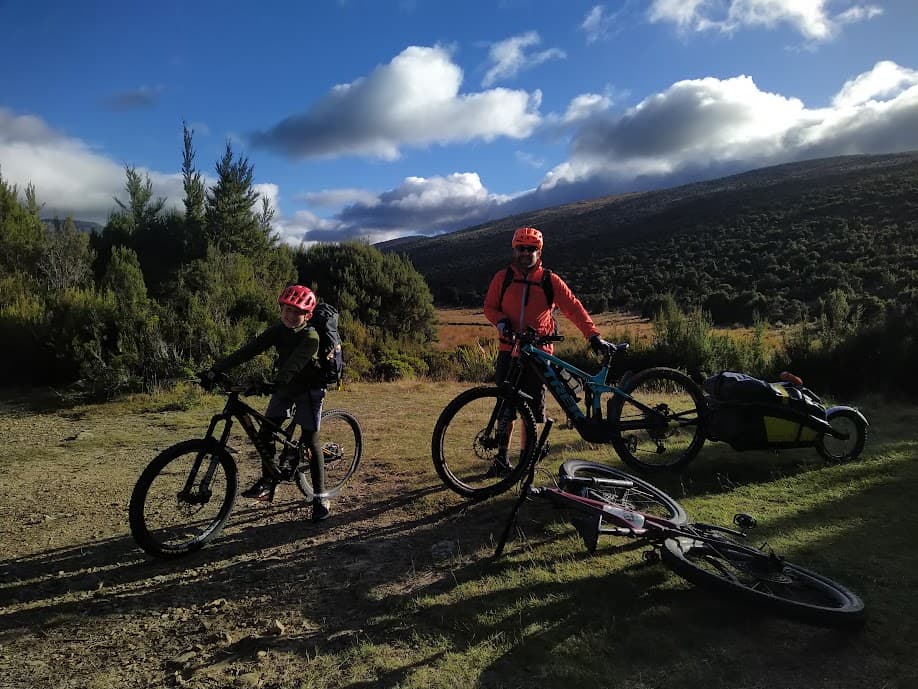
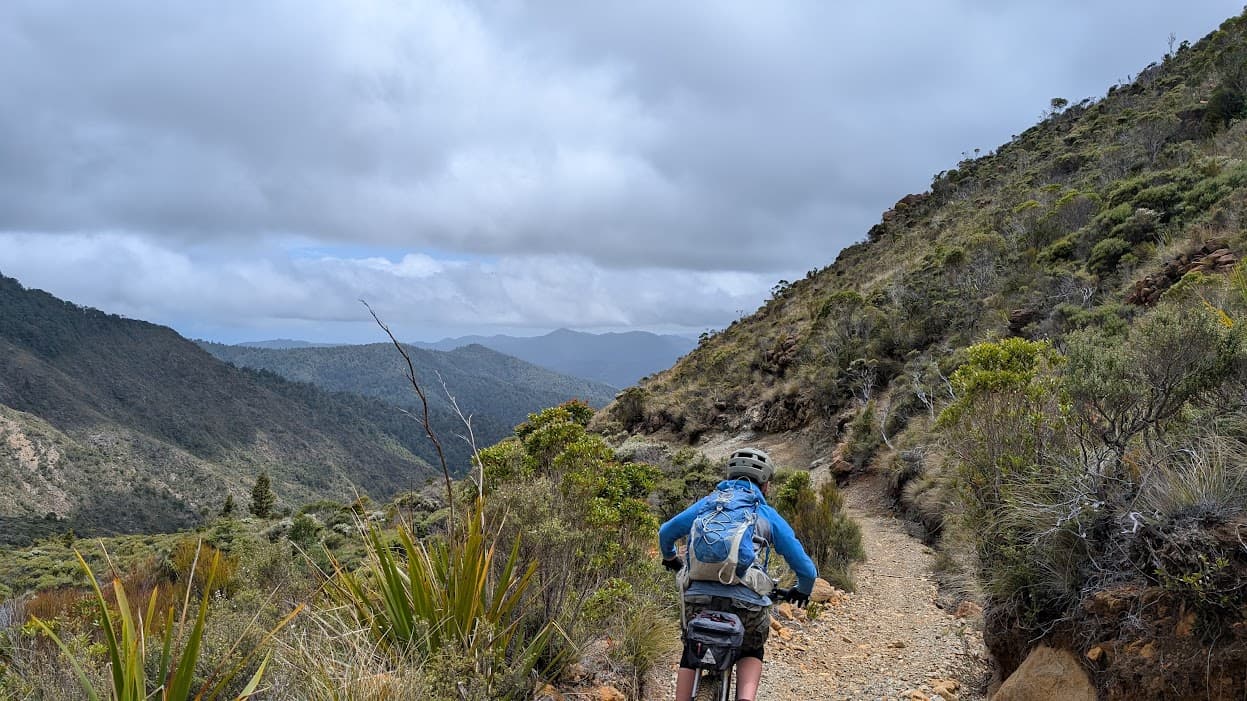
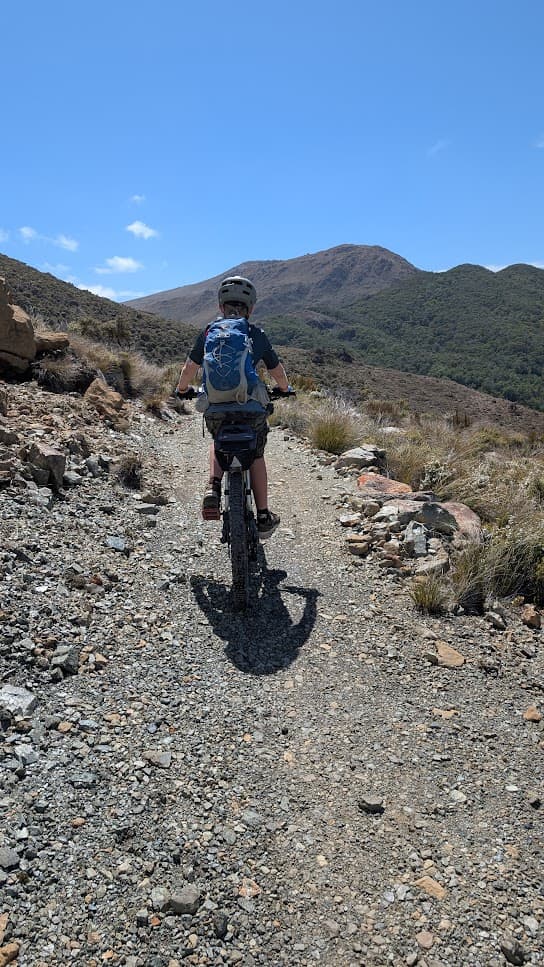
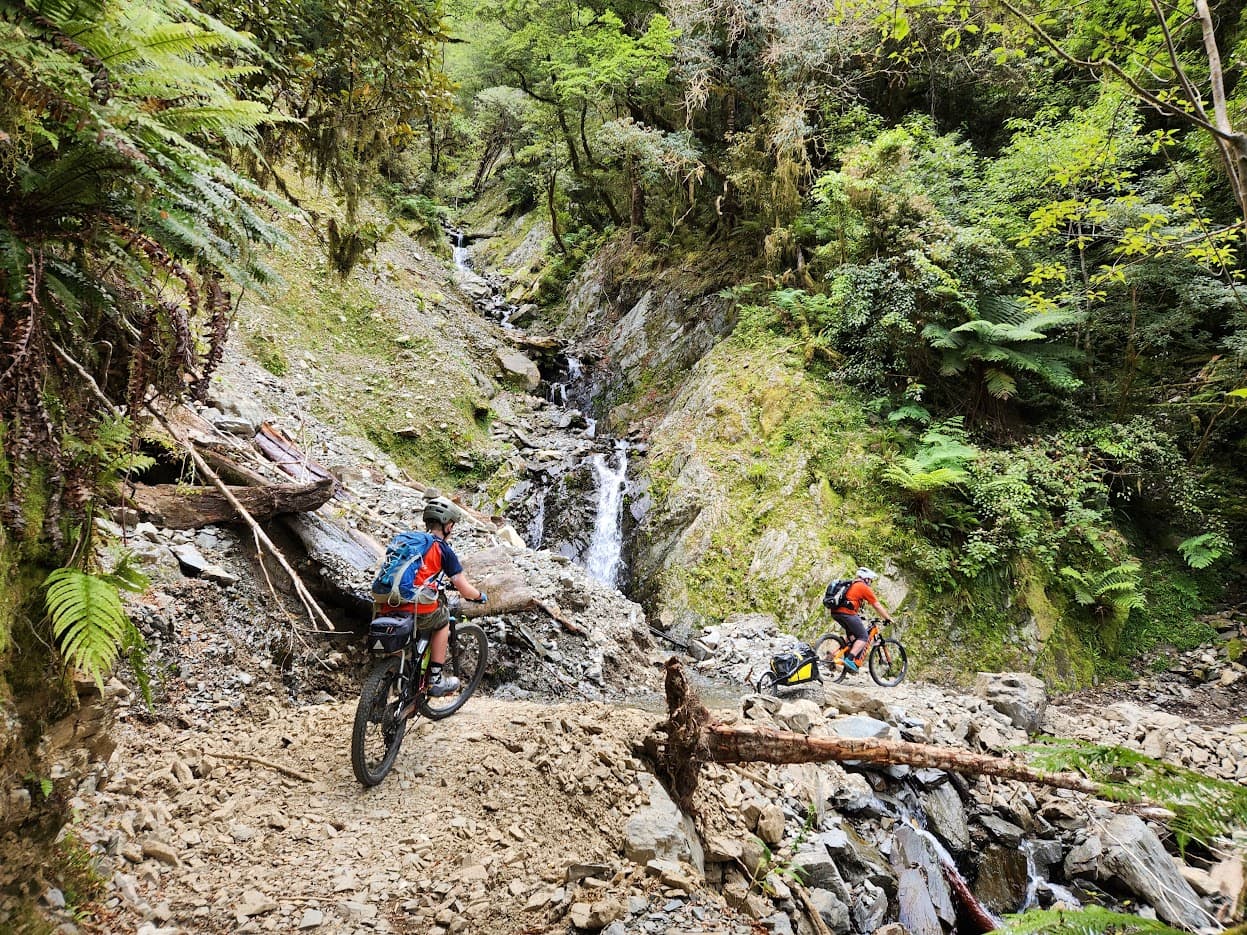
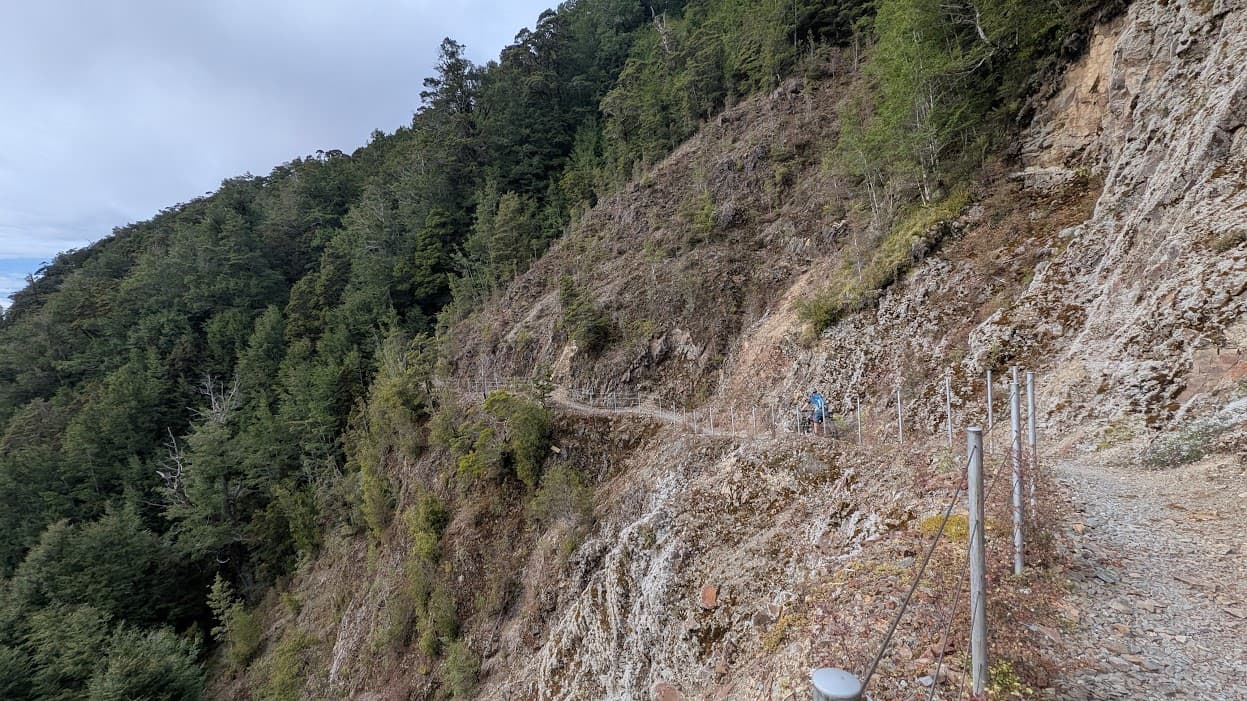
Following up on this - we did two successful epic mountain bike trips without any major blood sugar issues.
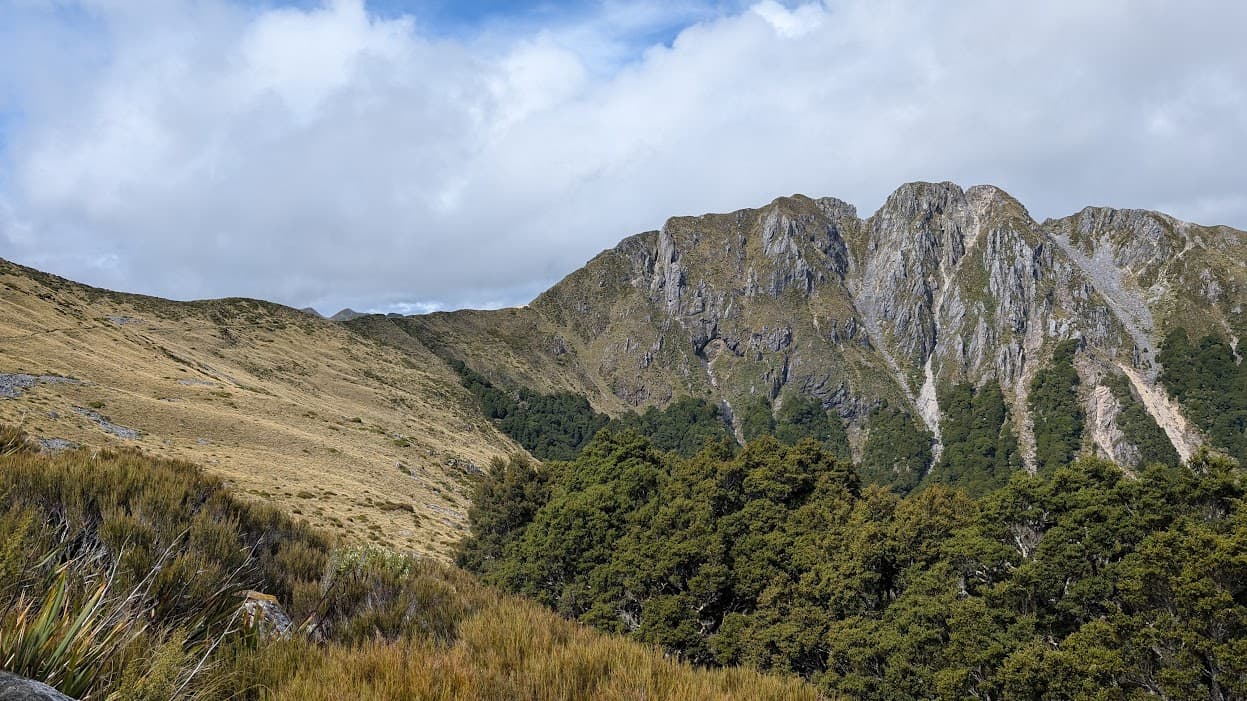
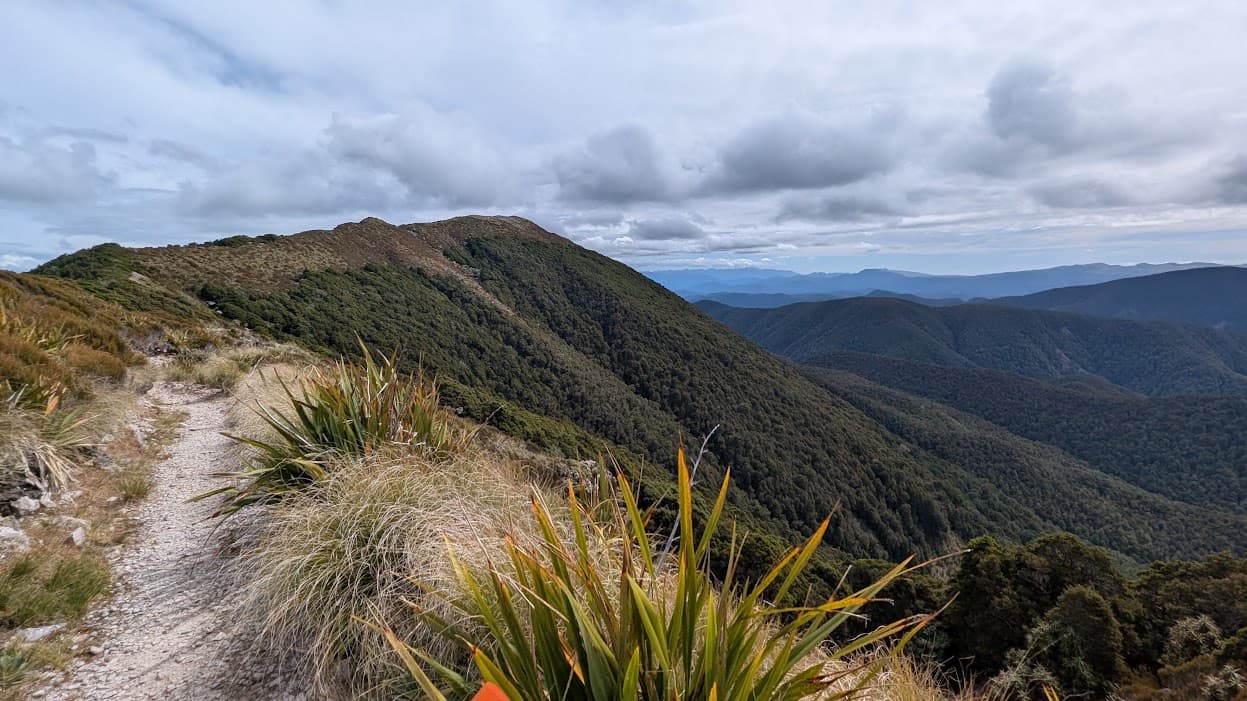
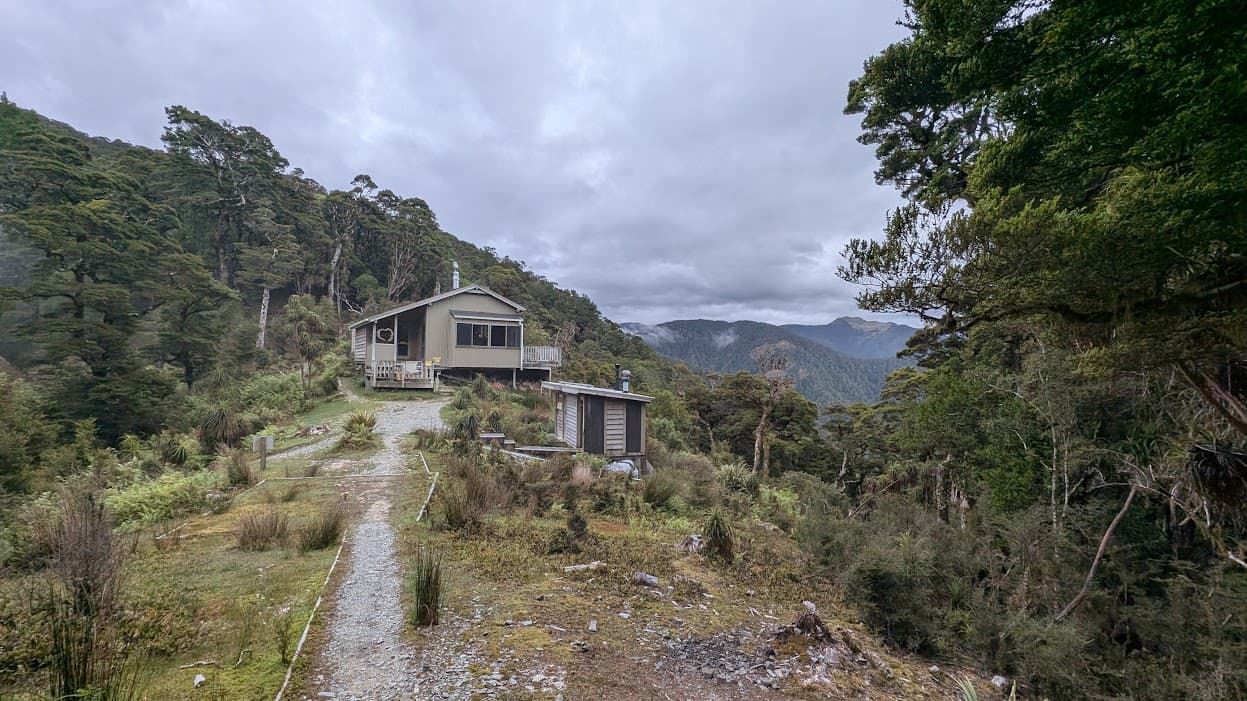
One was a day ride over a mountain pass. The second was an overnight mountain bike trip into remote mountains.
I think a key part of the success of both trips was my son riding an electric mountain bike. He has a normal mountain bike for our weekend rides, which works fine. But having an e-bike really helps for more epic adventures as he can select the amount of power based on his energy levels.
However, e-bikes do have range limitations & multi-day trips with lots of climbing would mean carrying kilograms of extra batteries. Also, some areas don’t allow e-bikes.
We packed far too much food - but I’d rather be prepared. We aimed for lower GI/ release main meals with quick release & medium release carby snacks while riding. For example, we had MTR Indian food for dinner with basmati rice, a vegetable masala & some pompadoms.
We also took an emergency locator beacon on the overnighter as cellphone coverage is very limited.
We’ve had a number of successful all-day or overnight adventures. Our longest day so far was 72km/ 45 miles & we started that ride in pouring rain!
The two biggest factors to success have been:
Hearty breakfasts with minimal refined carbs (e.g. cooked breakfast: eggs, mushrooms, hash browns, sausage/ bacon etc.) for slower BG release.
E-bikes
I realise e-bikes are an expensive “solution” to these sorts of adventures, but being able to choose the level of power assist has been a game changer for blood glucose management.
Most e-bikes allow for a range of power levels between turned off & ridiculous. We’re mostly riding on the lower power settings, but if BG starts falling too sharply there’s the option of ramping up the power assist to smooth out the fall.
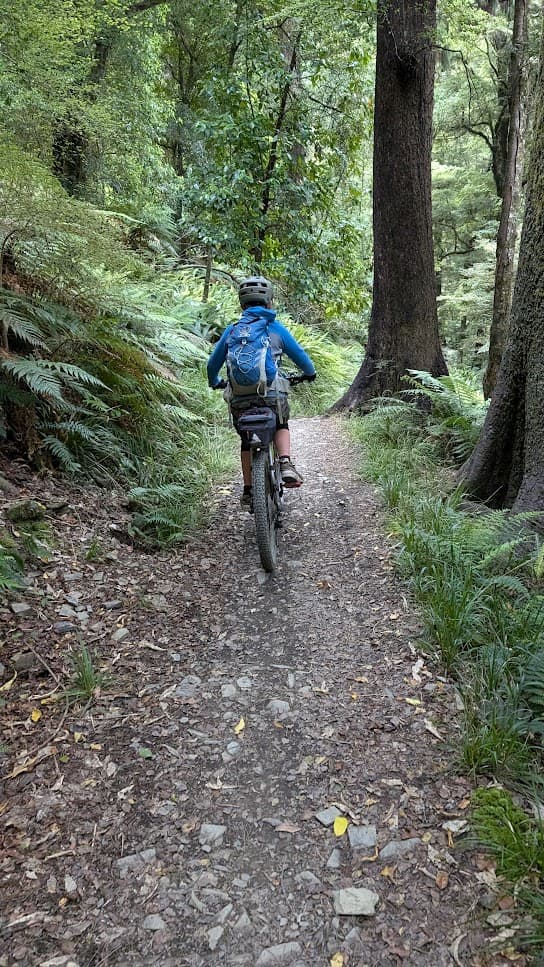
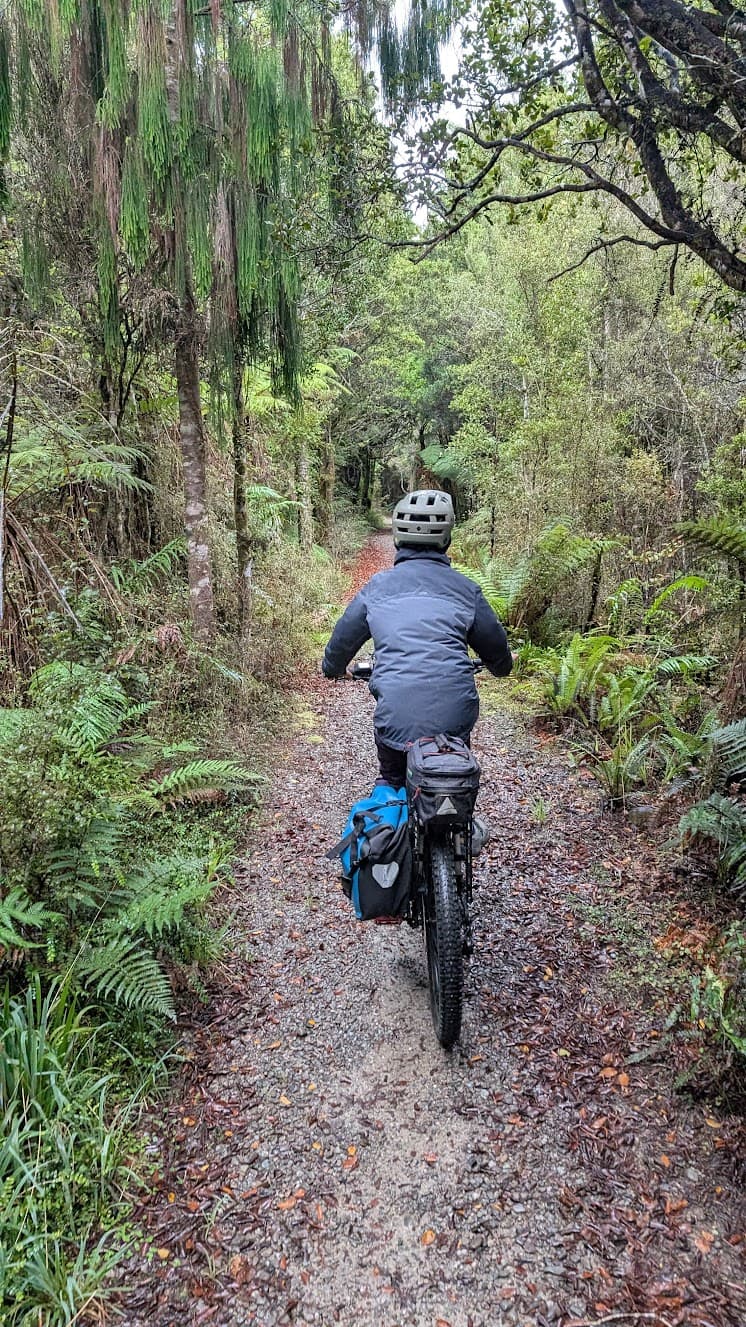
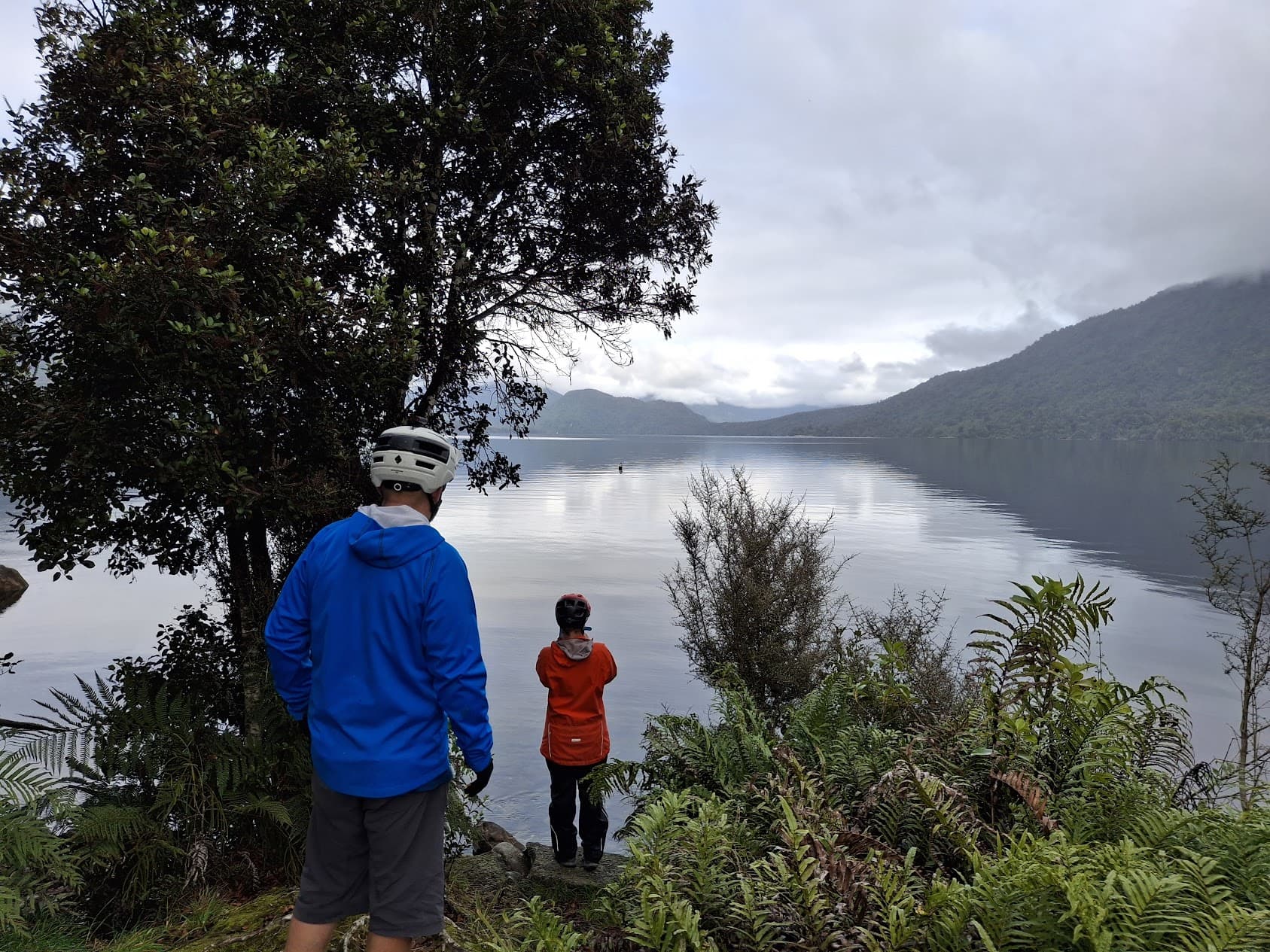
Riding through a rainforest in the rain & a picturesque lake about an hour from the end of that day:
I love this! I like the little bit of added help from the e-bike, that definitely comes in handy with T1D!!
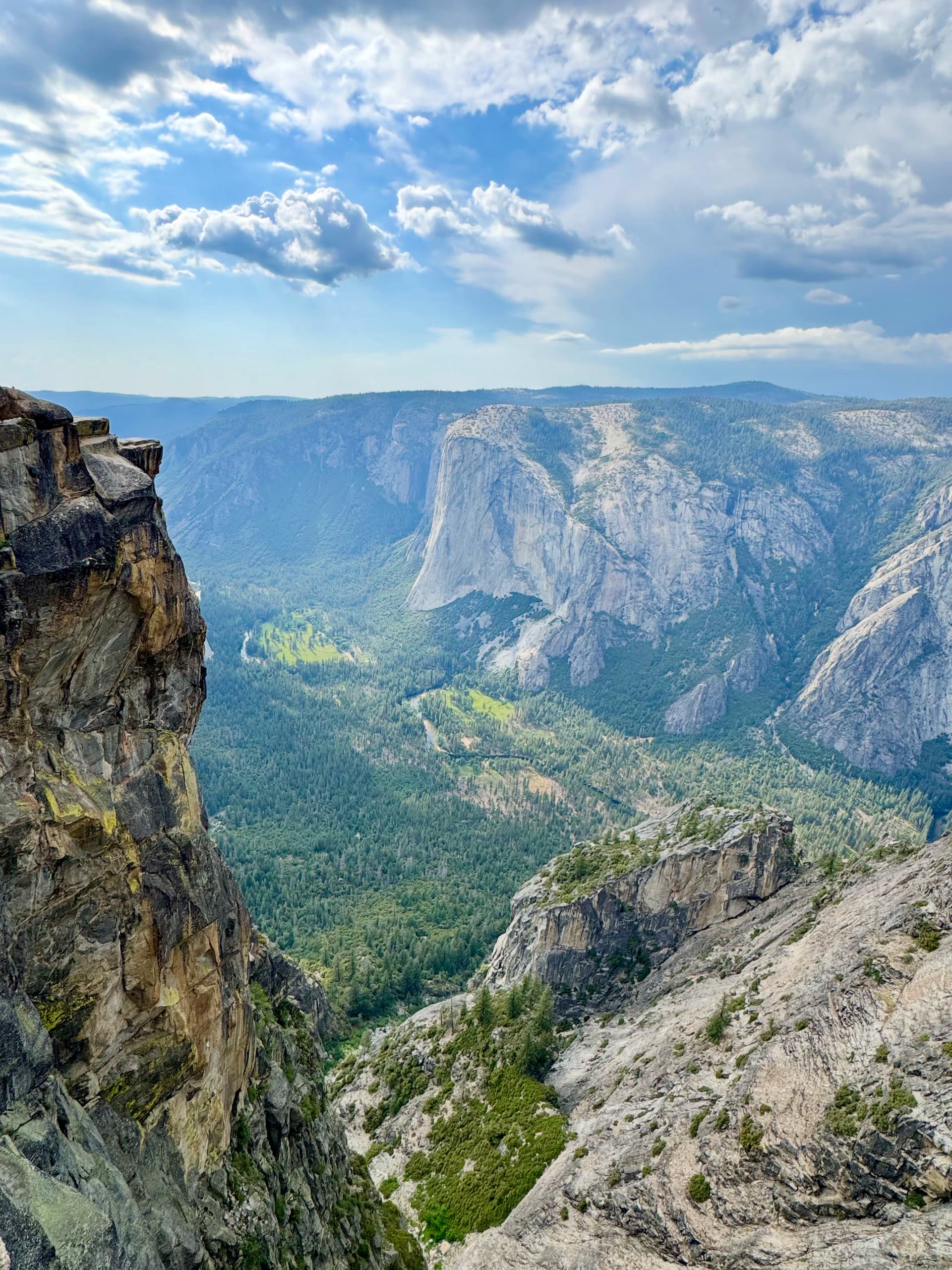
I just spent the weekend in Yosemite and did a few big hikes each day - one of my absolute favs was Sentinel dome and Taft point (see photo). Although we didn’t camp (stayed at an Airbnb), we did do a lot of multi-day activities. Some hiking tips I can share:
Bring water (I add electrolytes to mine!)
Extra low supplies that won’t melt in the heat (I choose fruit sticks because they taste good and are easy to package up if I only eat half of one)
Carry emergency low supplies like glucagon and tell your group where it is located in your pack
Aim to start hiking with little-to-no active insulin because once the climbing starts, BG tends to drop quickly!
Fun fact on my iPhone, we were in an area that had no cell signal, but I was able to text some friends that we lost on the trail using satellite messaging that’s free - it was so cool! You point your iPhone at a clear section of sky and it navigated me towards a satellite so I could send a quick text and it worked!
Day 2 of hiking meant my insulin sensitivity was higher than day 1 and I was prepared by having more frequent, small snacks (sometimes uncovered/free snacks with no bolus insulin given)
Great question! It’s a tough balance between safety and pack weight. Many use Frio pouches for insulin, minimal backup gear like pens instead of extra pumps, and share supply weight among group members. Would love to hear others lightweight diabetes packing tips for multi day trips!